Source Smart Tag for Child, Bag, and Pet Locator
Compare 30 smart tag options including RFID and Bluetooth models for child, bag, and pet locator applications. Buyers can review specifications like dimensions, materials, and certifications from suppliers in China to find the right identification solution; compare the available evidence and request quotations based on your requirements.
Key considerations
Products List






Comprehensive Sourcing Guide
Smart Tag Sourcing Guide
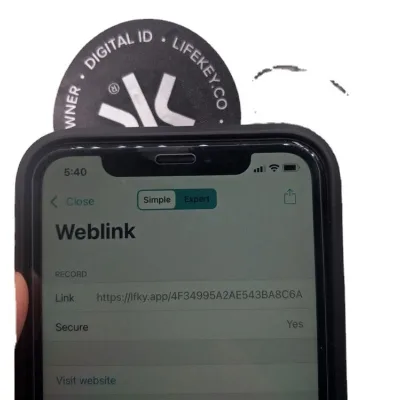
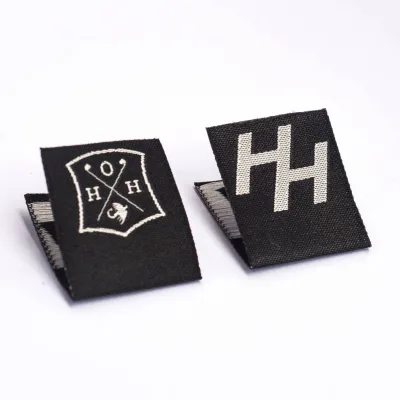
Smart tags represent a diverse category of identification and tracking devices that leverage various wireless protocols to enable asset visibility. Procurement teams must first distinguish between passive RFID tags, which rely on reader energy, and active Bluetooth or NFC-enabled units that offer real-time location data. The observed market includes circular ABS key tags, irregular-shaped waterproof units, and specialized Bluetooth finders compatible with mobile ecosystems. Understanding these fundamental technological differences is critical for aligning product selection with specific operational needs, whether for inventory control, security access, or consumer asset tracking.
Buyers should evaluate the intended application environment to determine the necessary form factor and communication range. For instance, indoor security systems may benefit from compact, circular key tags with passive operation, while outdoor livestock or luggage tracking requires waterproof, irregular-shaped tags with higher durability. The presence of features like remote control or specific screen colors indicates more complex electronic integration, whereas simple identification tags focus on chip type and reading distance. Clarifying these use cases early in the sourcing process prevents mismatches between technical capabilities and operational requirements, ensuring that the selected smart tags deliver measurable value.
Product Scope and Observed Listing Signals
The current market landscape for smart tags exhibits significant variation in physical dimensions and material composition, reflecting the broad applicability of these devices. Observed listings indicate a wide price range from $0.10 to $60.00 USD, correlating with the complexity of the embedded chip and the housing material. Common materials include ABS plastic for standard key tags and specialized composites for waterproof or irregular-shaped units. Dimensions vary from small circular tags measuring 35mm by 28mm to larger Bluetooth finders at 52mm by 31mm, allowing buyers to select units that fit specific keychains, luggage tags, or industrial assets without compromising functionality.
Minimum order quantities (MOQs) typically range from 1 to 1,000 units, offering flexibility for both prototype testing and large-scale deployment. Packaging standards also vary, with options including bulk bags of 100 pieces, individual OPP bags for Bluetooth devices, and secure carton boxes for higher-value electronic units. Origin locations are primarily concentrated in major manufacturing hubs like Guangzhou and Shenzhen, China, which are known for their robust electronics supply chains. Buyers should verify these logistical details to ensure that packaging protects sensitive components during transit and that MOQs align with their inventory turnover rates and budget constraints.
Technical Specifications to Verify
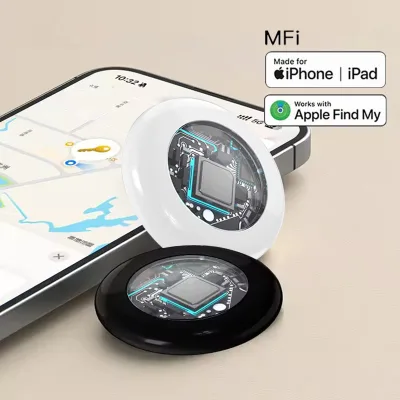
Verifying the transmission mode and working principle is essential to ensure compatibility with existing infrastructure. Passive tags operate without an internal battery, relying on electromagnetic induction from a reader, which makes them ideal for high-volume identification tasks like library books or retail inventory. In contrast, active Bluetooth tags, such as those compatible with version 4.3, offer continuous tracking capabilities for items like pets, children, or bags. Buyers must confirm whether the tag supports read/write functions or is read-only, as this determines its suitability for dynamic data logging versus static identification in security control systems.
Chip type and frequency specifications directly impact reading distance and data integrity. High-frequency (HF) ISO14443 tags operate at 13.56MHz, providing secure, short-range communication suitable for access control and payment systems. For longer-range applications, buyers should inquire about the specific antenna design and power requirements, especially for tags with remote control features or pixel-style displays. Voltage specifications, such as DC 5V 2A for powered units, must be matched with appropriate power sources to prevent damage. Additionally, verifying the shape and size constraints ensures that the tag can be physically integrated into the target asset without interfering with its primary function.
Compliance and Safety Documentation
Regulatory compliance is non-negotiable for smart tags, particularly those containing electronic components and batteries. Buyers must request certificates such as CE, ISO, and RoHS to ensure that the products meet European safety, environmental, and quality management standards. These certifications indicate that the manufacturing process adheres to strict guidelines regarding hazardous substances and electromagnetic compatibility. For markets requiring additional validation, such as China, certifications like CCC may be necessary. Verifying these documents protects the buyer from legal liabilities and ensures that the products can be legally imported and sold in target regions without customs delays.
Safety documentation also extends to the physical durability and environmental resistance of the tags. Waterproof ratings are critical for tags intended for outdoor use, such as livestock tracking or luggage identification, where exposure to moisture is inevitable. Buyers should request test reports or detailed specifications regarding the IP rating to confirm the level of protection against water and dust ingress. Furthermore, for tags used in sensitive environments like healthcare or food storage, buyers must ensure that the housing materials are non-toxic and do not leach harmful chemicals. Clear compliance documentation provides a layer of assurance that the products are safe for end-users and the environment.
Cost Drivers and Commercial Terms
The cost of smart tags is influenced by several factors, including the complexity of the embedded chip, the durability of the housing material, and the volume of the order. Basic passive RFID tags are generally low-cost, while active Bluetooth tags with GPS or advanced tracking features command higher prices. Buyers should analyze the total cost of ownership, which includes not only the unit price but also the cost of readers, software integration, and maintenance. Understanding these cost drivers helps in budgeting accurately and negotiating favorable terms with suppliers, especially when scaling up from small pilot orders to large-scale deployments.
Commercial terms such as payment methods, lead times, and return policies are crucial for managing supply chain risks. Buyers should clarify the MOQ and whether customization options, such as logo printing or specific packaging, incur additional fees. Lead times can vary significantly based on the complexity of the order and the supplier's current production capacity. It is advisable to establish clear communication channels with suppliers to monitor production progress and address any issues promptly. Additionally, understanding the warranty terms and the process for handling defective units ensures that the buyer is protected against quality issues and can maintain operational continuity.
Supplier Qualification and Quality Control
Selecting a reliable supplier is paramount to ensuring the consistent quality and performance of smart tags. Buyers should conduct thorough due diligence, including verifying the supplier's business license, manufacturing capabilities, and past performance records. Requesting samples is a critical step to evaluate the physical quality, functionality, and packaging of the tags before committing to a large order. Suppliers with established quality control processes, such as ISO certification, are more likely to deliver products that meet specified standards consistently. Building a relationship with a qualified supplier reduces the risk of supply chain disruptions and ensures a steady flow of high-quality products.
Quality control measures should be implemented throughout the production and delivery process. Buyers can specify inspection criteria, such as reading distance, battery life, and physical durability, and request third-party inspection reports before shipment. Implementing a sampling plan for incoming goods allows for ongoing quality monitoring and early detection of defects. Clear communication of quality expectations and regular feedback to suppliers help maintain high standards over time. Additionally, establishing a contingency plan for supply chain disruptions, such as identifying alternative suppliers, ensures business continuity in case of unexpected issues with the primary supplier.
Long-Term Procurement Checks
Long-term procurement success depends on continuous monitoring of supplier performance and market trends. Buyers should regularly review key performance indicators, such as on-time delivery rates, defect rates, and responsiveness to issues. Maintaining open communication with suppliers facilitates collaborative problem-solving and fosters a partnership approach to procurement. Staying informed about technological advancements in smart tag technology, such as new chip capabilities or improved battery life, allows buyers to upgrade their solutions proactively. This proactive approach ensures that the procurement strategy remains aligned with evolving business needs and technological opportunities.
Sustainability and ethical sourcing practices are increasingly important considerations for long-term procurement. Buyers should assess suppliers' environmental policies and labor practices to ensure alignment with corporate social responsibility goals. Requesting information on the recyclability of packaging materials and the energy efficiency of production processes can contribute to a more sustainable supply chain. Additionally, reviewing the supplier's commitment to data privacy and security is crucial for smart tags that handle sensitive information. By prioritizing these long-term factors, buyers can build a resilient, ethical, and future-proof procurement strategy that supports their organization's broader objectives.
FAQs
What transmission modes are available for smart tags?
Wireless alarm and wireless transmission modes are available for these smart tags. The working mode is passive, and the device supports identification functions. These tags operate at 13.56MHz HF ISO14443 standards and are suitable for various security applications.
Can I customize the packaging for smart tag orders?
Yes, customization is available for smart tag packaging. Options include 100 pieces per bag or other customized quantities. Some models come in 50 pieces per OPP bag, while others use plastic bags with carton outer boxes for secure shipping.
Which certifications do smart tag manufacturers hold?
Manufacturers hold CE, ISO, RoHS, and CCC certifications for these smart tags. These standards ensure compliance with safety and environmental regulations. The products are made in China and meet international quality requirements for electronic identification devices.
How do Bluetooth smart tags function for tracking?
Bluetooth smart tags function by connecting to compatible devices via version 4.3 technology. They serve as key finders for children, bags, and pets. These tags offer high compatibility and are designed for locating items in real-time scenarios.
What materials are used for smart tag housings?
Smart tag housings are made from ABS material for durability. Some models feature irregular shapes or circular designs with specific dimensions like 35mm by 28mm. The thickness is typically 6.4mm, ensuring robust protection for internal components.
Where are smart tags manufactured and shipped from?
Smart tags are manufactured in Guangzhou and Shenzhen, China. Products originate from these locations and are shipped globally. The origin is clearly marked as Made in China, ensuring traceability for international buyers seeking reliable electronic identification solutions.
What are the standard dimensions for smart tags?
Standard dimensions vary by model, with some measuring 35mm by 28mm and others at 52mm by 31mm. Thickness is often 6.4mm, and weights can be as low as 5g. Sizes range from 14mm to 30mm depending on the specific application needs.